
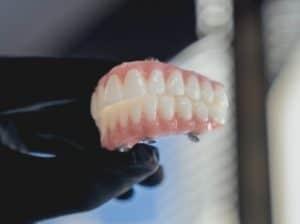
What are dental implants?
Dental implants are placed into the jawbone to support replacement teeth. They are made from materials such as titanium and are used as part of a treatment plan for missing teeth.
- A treatment option that may be considered for missing teeth
- A fixed alternative to removable prosthetics
- Designed to support replacement teeth
Dental implant treatment is tailored to the individual. A dental practitioner can assess your oral health and discuss suitable options based on your circumstances.
Why might dental implants be considered?
Dental implants may be considered where teeth are missing or where other treatment options may not be suitable. A dental practitioner can assess your oral health and discuss appropriate options based on your individual circumstances.
In some cases, implants may be used to support replacement teeth within the jaw. A dental practitioner will explain this as part of your treatment planning.
Further considerations associated with tooth loss
Missing teeth may be associated with changes in oral function and alignment. A dental practitioner can assess your oral health and discuss appropriate management options.
- Changes in the position of neighbouring teeth
- Changes in the supporting bone
- Alterations in bite and function
- Challenges with cleaning around the area
A dental practitioner can provide guidance based on your individual circumstances.
Dental implant services
A range of dental implant treatment options may be considered depending on your needs:
- All-On-X Dental Implants
- Single Tooth Replacement
- Implant Supported Dentures
- Teeth In A Day
- Implant Supported Bridges
- Bone Grafting
A dental practitioner can explain these options during your consultation.
Suitable candidates for dental implants
Suitability for dental implants depends on a range of factors. A dental practitioner will assess your oral health and medical history to determine whether this treatment may be appropriate.
- Oral health status
- Gum condition
- Jawbone structure
A consultation allows a dental practitioner to discuss your individual circumstances and treatment options.
Your consultation
During your consultation, a dental practitioner will assess your oral health, review your medical history, and discuss your treatment options.
This may include an examination and imaging where appropriate. Treatment options, potential risks, and associated costs may also be discussed.
What to expect during the dental implant process
Dental implant treatment involves multiple stages. A dental practitioner will explain the process and what to expect based on your individual circumstances.
- Placement of the implant into the jawbone
- A healing period
- Attachment of components to support a restoration
- Fitting of a crown, bridge, or denture
The exact process can vary depending on your treatment plan.
Aftercare and the healing process
After dental implant treatment, some individuals may experience temporary changes such as swelling or discomfort. A dental practitioner can provide guidance based on your individual circumstances.
Aftercare may include advice on oral hygiene, diet, and follow-up appointments.
The costs of dental implants in Brighton, Melbourne
The cost of dental implant treatment can vary depending on individual needs and the complexity of the procedure. A detailed estimate is provided following consultation and assessment.
You can learn more about pricing here.
Can Medicare or private health insurance cover dental implants?
Medicare does not generally cover dental implant treatment. Private health insurance may contribute to some dental procedures depending on your level of cover.
You can contact your provider to confirm your individual entitlements.
Frequently Asked Questions
Will receiving dental implants be painful?
Dental implant procedures are typically performed with local anaesthetic. Some individuals may experience temporary discomfort during healing. A dental practitioner can provide guidance based on your circumstances.
Can dental implants replace multiple missing teeth?
Dental implants may be used to support different types of restorations for multiple missing teeth. A dental practitioner can discuss suitable options.
When can I return to normal activities after treatment?
Recovery time can vary depending on the procedure and individual circumstances. A dental practitioner will provide guidance following treatment.
How long do dental implants last?
The longevity of dental implants can vary depending on factors such as oral health and maintenance. A dental practitioner can provide guidance.

