
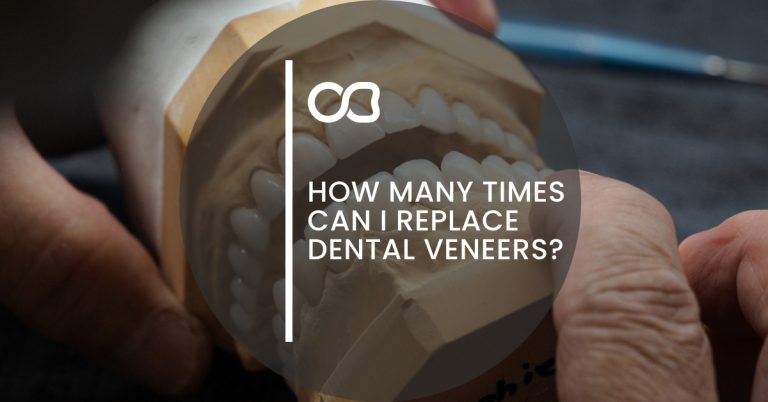
Porcelain veneers are known for being long-lasting, but they aren’t designed to last forever. Over time, they can wear down, chip, or simply reach the end of their lifespan. When that happens, they’ll need to be replaced. How many times that can be done will depend on several factors, including the quality of your enamel, the condition of your teeth underneath, and how well the veneers were maintained and cared for over the years.
This blog will go through how long porcelain veneers last, what can lead to replacement, and how many times replacement can realistically be performed without causing issues to the underlying tooth structure.
How long do porcelain veneers usually last?
Porcelain veneers are built to be durable and can last anywhere from ten to twenty years, depending on how they’re looked after and how much wear they’re exposed to. The porcelain itself doesn’t decay, but the bonding material that holds it to the tooth and the natural tooth structure underneath can change over time.
Chewing habits, oral hygiene, diet, and even your bite alignment all influence how long veneers can stay intact. For example, if someone tends to grind their teeth at night (a condition called bruxism), that can cause small fractures or loosen the bond between the veneer and the enamel. Similarly, consuming a lot of hard or crunchy foods can gradually weaken the edges of the veneer.
Eventually, even with good care, veneers will begin to show signs of age. The edges might become worn or develop micro-cracks, or the gum line may recede slightly, exposing more of the tooth beneath. At this point, replacement becomes the best option to protect both the appearance and structure of the tooth.
What happens when porcelain veneers need replacing?
Replacing porcelain veneers usually involves removing the existing veneer carefully, assessing the underlying tooth, and preparing it again for a new veneer. The process is similar to the initial placement, but the difference lies in how much enamel is available to work with after the first veneer has already been applied and removed.
Each time a veneer is replaced, a small amount of enamel might need to be reshaped to ensure the new veneer fits correctly. The natural tooth beneath a veneer is already slightly reduced in size from the original procedure, so maintaining as much enamel as possible is important. If too much enamel has been removed over multiple replacements, the tooth might eventually need a crown instead of another veneer, as the crown covers the entire surface and offers more support to the remaining tooth structure.
How many times can veneers be replaced before the teeth are affected?
There isn’t a fixed number of times veneers can be replaced, but in general, they can be replaced multiple times over a lifetime as long as the natural teeth and bonding surfaces remain healthy. Many people will replace their veneers two or three times over several decades, depending on their age when they first had them placed and how well they maintain their oral health.
The limiting factor isn’t the veneer itself, but the condition of the tooth underneath. Each replacement involves a small degree of re-preparation, and eventually, if the enamel becomes too thin or compromised, it may no longer provide a suitable surface for bonding. At that point, the alternative would often be a dental crown, which can offer more structural coverage.
It’s worth mentioning that advances in dental materials and adhesive technology have significantly improved how long veneers last and how minimally the teeth need to be prepared. This means that replacements today are often more conservative than they were decades ago, which helps preserve more of the natural tooth.
What are the signs that porcelain veneers need replacing?
Porcelain veneers don’t typically fail suddenly. The signs that they’re reaching the end of their lifespan are often subtle and gradual. The most common indications include visible wear along the edges, staining or discolouration around the margins, slight lifting of the veneer, or a feeling that the bond isn’t as secure as before.
Sometimes, small chips or cracks may develop, especially in people who grind their teeth or bite down on hard foods. In other cases, the gum line might recede naturally over time, revealing more of the tooth and making the edge of the veneer more noticeable.
If any of these changes occur, it’s important that you have your veneers reviewed by your dentist sooner rather than later. Early intervention can prevent damage to the tooth beneath and allow for a smoother replacement process.
What affects how often veneers need replacing?
Several physical factors influence how long veneers last before replacement becomes necessary. Oral hygiene is one of the most important. While porcelain itself doesn’t decay, the natural tooth underneath can still develop cavities along the margins where the veneer meets the enamel if plaque or bacteria build up.
The bite pattern and general wear habits also matter. If you clench or grind your teeth, the pressure can gradually wear away the veneer surface or even cause small cracks to appear. In these situations, a dentist might recommend a custom night guard to reduce that stress during sleep.
Diet can contribute as well. While porcelain is resistant to staining, the bonding material at the edges can pick up slight discolouration over time from coffee, tea, or red wine. These changes don’t usually harm the veneer structurally but may affect its appearance and prompt replacement for aesthetic consistency.
Oasis Dental Studio: Gold Coast, Brisbane, Melbourne and Pottsville
When you’re considering replacing porcelain veneers, it’s important that you have a thorough consultation with an experienced dentist. They’ll assess the current state of your veneers, the health of the underlying teeth, and discuss how many replacements are realistically possible without compromising tooth structure.
Please contact our team at Oasis Dental Studio to book a consultation at our Gold Coast, Brisbane, Melbourne or Pottsville locations.
