
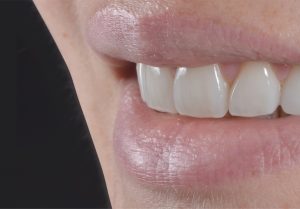
When Veneers May Be Considered
All treatments carry risks and benefits. A consultation is required to determine suitability for any procedure.
Porcelain or composite veneers may be considered as a treatment option for a range of aesthetic and structural concerns, depending on individual clinical assessment.
- Conservative tooth preparation — Veneers may involve minimal alteration to the natural tooth structure compared to some other restorative options, depending on the treatment plan.
- Customised treatment approach — Veneers are designed to suit the individual, taking into account tooth shape, size, colour, and overall oral health.
- Material characteristics — Porcelain veneer materials may offer resistance to staining; however, ongoing maintenance and oral hygiene practices are important.


Images shown are for illustrative purposes of dental procedures and laboratory processes.
Enquire now Visit Oasis Dental Studio
If you would like to arrange a consultation with one of our dental practitioners, you can contact our team or complete the form below.
All treatments carry risks and benefits. A consultation is required to determine suitability for any procedure.
Veneers may be made from composite or porcelain materials and can be considered for individual teeth or multiple teeth, depending on your treatment plan and clinical assessment.
If you would like to discuss whether porcelain veneers or composite bonding may be suitable, you can arrange a consultation with our team.
Veneers may be considered for concerns such as:
- Chipped, cracked or worn teeth
- Tooth discolouration
- Variations in tooth shape
- Spacing or alignment concerns, which may also be assessed alongside clear aligner treatment
The Difference Between Porcelain and Composite Veneers
Porcelain veneers and composite veneers are both treatment options that may be considered, depending on individual clinical needs and treatment goals.
Porcelain veneers are crafted from dental ceramic materials and are designed to suit the shape and appearance of your teeth. These materials may offer durability and resistance to staining; however, ongoing maintenance is required.
Composite veneers are made from a tooth-coloured resin material and may be completed in a single appointment in some cases. They may be considered for minor cosmetic concerns, such as small chips or gaps.
Both options are customised to the individual, taking into account oral health, tooth structure, and aesthetic preferences.
The most suitable option will depend on your individual circumstances. A consultation at Oasis Dental Studio allows a dental practitioner to assess your needs and discuss appropriate treatment options based on clinical assessment.
Step 1
Consultation and Personalised Treatment Planning
A consultation allows a dental practitioner to assess your oral health, facial structure, bite, and treatment goals. This process helps determine whether porcelain veneers or alternative cosmetic dental treatments may be appropriate.
During this appointment, treatment options, potential risks and benefits, and expected timeframes will be discussed. A personalised treatment plan may then be developed based on your individual needs. Consultations may also be arranged via telehealth for interstate or overseas patients where appropriate.
If veneers are considered suitable, digital scans or impressions may be taken to assist in planning and design.
Step 2
Preparation and Trial Phase
At a subsequent visit, tooth preparation may be undertaken depending on the treatment plan. This step allows space for the veneers and supports their placement.
Further scans may be taken, and temporary or trial restorations may be used in some cases. These allow adjustments to be considered prior to final placement.
Step 3
Veneer Placement
Once the final veneers are prepared, they are placed following clinical assessment and fitting. The final outcome is reviewed, and any necessary adjustments are made.
Veneers may be considered for concerns such as:
- Chipped, cracked or worn teeth
- Tooth discolouration
- Variations in tooth shape
- Spacing or alignment concerns, which may also be assessed alongside clear aligner treatment
Caring for Your Veneers
Caring for your veneers is an important part of maintaining oral health. Your dental practitioner will provide guidance tailored to your individual treatment and needs.
Maintaining regular oral hygiene practices, including brushing and flossing, helps support gum health and overall oral hygiene.
If you clench or grind your teeth, a dental practitioner may discuss protective options such as a night guard based on your individual circumstances.
Attending regular dental check-ups allows ongoing assessment of your oral health and any restorations. A dental practitioner can provide advice regarding maintenance and expected longevity based on your clinical situation.
Comparison table
Veneers Cost
Costs for veneers vary depending on the type of treatment and individual clinical requirements. A consultation is required to determine suitability and provide an accurate estimate based on your treatment plan.
All treatments carry risks and benefits. A consultation is required to determine suitability for any procedure.
| Treatment | Cost |
|---|---|
| Composite Veneers | From $400 per tooth |
| Premium Composite Veneers | From $700 per tooth |
| Porcelain Veneers | From $2000 per tooth |
| Night Splint | From $750 |
Frequently Asked Questions
Who may be suitable for veneers?
Veneers may be considered for individuals with healthy teeth and gums who are seeking to address concerns such as discolouration, chips, gaps, or minor variations in tooth alignment. Suitability will depend on individual clinical assessment by a dental practitioner.
How long do veneers typically last?
Porcelain veneers and composite veneers may have different lifespans depending on the material used and individual circumstances. Ongoing care, oral hygiene, and regular dental check-ups can support maintenance. A dental practitioner can provide guidance on expected longevity based on your clinical situation.
Do veneers feel different from natural teeth?
There may be an adjustment period following placement of veneers. A dental practitioner can provide guidance on what to expect based on your individual treatment and clinical circumstances.
Are veneers reversible?
Composite veneers may be modified or removed in some cases. Porcelain veneers typically involve alteration to the tooth structure. A dental practitioner can discuss suitable options and considerations, including reversibility, based on your individual clinical circumstances.
Do veneers hurt during the placement process?
A dental practitioner will take steps to support patient comfort during veneer placement. Some individuals may experience sensitivity or discomfort following treatment. Guidance on aftercare and what to expect will be provided based on your individual circumstances.
Can veneers address orthodontic concerns?
Veneers may be considered for minor variations in tooth alignment; however, they are not typically used to manage more complex orthodontic concerns. A dental practitioner may discuss alternative options, such as orthodontic treatment, based on individual clinical needs.
How many appointments are required for veneer treatment?
The number of appointments required will depend on your individual treatment plan. In many cases, this may include an initial consultation, preparation and trial phase, and a final placement appointment. A dental practitioner can outline the expected process based on your clinical assessment.
