
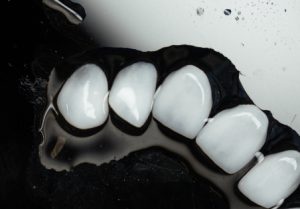
What Is Microdontia?
Microdontia is a condition in which one or more teeth appear smaller than the average size. Disruption in the development of the tooth causes microdontia, but it may also be related to another medical condition. It can occur in either baby (primary) or adult (permanent) teeth. Although it can affect any of your teeth, it tends to occur more often in certain teeth. Most commonly, it can affect one or more teeth. In rare cases, it can affect all teeth, which can have an impact on your daily activities.
Types of Microdontia
The specific type of microdontia you have determines the number of your teeth affected:
- Localised microdontia: This is the most common type and affects one to two teeth. It usually affects your upper lateral incisors, which are the small front teeth on your top jaw, located next to your two upper front teeth.
- Relatively generalised microdontia: This type is characterised by relatively large jaws or a protruding jaw. The large jaw size can make your teeth look smaller than the average size.
- Truly generalised microdontia: This is considered to be the rarest type of microdontia. It happens when all of your teeth are actually smaller than the average size.
Microdontia Causes
Several factors can contribute to the development of microdontia, such as the following:
Genetics
Microdontia can run in families and can increase your risk if you have certain genetic conditions like pituitary dwarfism.
Environmental factors
The risk of having small teeth is significantly increased if a pregnant woman is exposed to radiation, anti-cancer drugs, and other harmful medications – all of which can affect fetal development.
Certain medical conditions
Tooth development can be negatively affected by conditions such as hypothyroidism (low thyroid hormones) and hypopituitarism (low pituitary hormones) because normal levels of thyroid hormone and growth hormone are essential for tooth development during childhood.
Infections
The chances of developing small teeth may increase if a pregnant woman has a severe infection, which can affect fetal tooth development.
Poor diet
You are at a higher risk for microdontia if your diet lacks essential vitamins like vitamins A, C and D, which are required for tooth development.
Preterm birth
This condition can cause incomplete dental development, increasing the risk of microdontia.
During your consultation at Oasis Dental Studio in Gold Coast, Brisbane, Melbourne, and Northern NSW, our dental team will assess your medical history, lifestyle, diet, and other factors to determine what may be contributing to your small teeth and whether any treatment is recommended for your condition.
Symptoms of Microdontia
You likely have this condition if one, several, or all of your teeth are smaller than normal. Aside from small teeth, additional signs and symptoms that you should look for are:
- Eating or chewing difficulties
- Misalignment in your bite
- Visible gaps between your teeth
- Speaking or pronunciation difficulties
If you have any of the above signs and symptoms, you should consult with a dental professional for further evaluation and management. It is important to keep in mind that while microdontia can affect both the appearance and function of your teeth, a dental assessment can help you understand what treatment options may suit your needs.
Diagnosis and Tests
To confirm the diagnosis of microdontia and understand how this tooth condition may affect your teeth and bite, the dental team may use the following tests:
- Visual dental examination: This involves a visual assessment of your teeth to check their size, shape, and spacing, as well as the presence of wear or uneven pressure.
- Dental X-rays: Conducting X-rays can help confirm microdontia by checking your tooth roots, the surrounding bone structures, and any unusual tooth development.
- Photographs: This allows the dentist to compare tooth changes that develop over time and to adjust your treatment plan as necessary.
- Dental impressions or digital scans: A mould (impression) or a digital scan allows the dentist to create a precise model of your teeth that will be used for the measurement of tooth size and spacing.
- Bite assessment (occlusion check): During this test, your bite will be checked to see whether your teeth make contact and determine the presence of uneven pressure.
- Tooth measurements: This assessment involves measuring your teeth and comparing them to average tooth sizes to check for small teeth.
Once your assessment is complete, the dental team will explain the results in a clear and simple manner and will adjust your treatment plan based on your goals and oral health. If needed, they may also recommend follow-up visits to monitor how your teeth change over time. You will have the chance to ask questions and understand what the next steps may be.
Treatment
Your treatment plan will depend on the type and number of affected teeth and whether microdontia is affecting your bite, spacing, and daily activities. Dental professionals may use the following treatments depending on your specific needs:
- Bonding: This procedure involves the application of a tooth-coloured resin material to the small tooth or teeth and shaping it to match the surrounding teeth. In most cases, bonding is recommended if you have one or two small teeth.
- Crowns: This involves the use of a dental crown (cap) to cover the entire tooth, thus changing its size and shape and increasing tooth strength. If you have small tooth/teeth that need more coverage than bonding or when your bite creates uneven pressure on the affected tooth, the dentist may recommend crowns.
- Veneers: This makes use of thin shells (usually porcelain) called veneers to cover the front surface of your tooth, changing its shape, size, and colour. Veneers may be recommended if you want to address uneven tooth size, gaps between your teeth, chipped or worn front teeth, or discoloured front teeth.
- Gingivectomy or gingivoplasty: These surgical procedures involve removing and/or reshaping gum tissue to change how much of the tooth is visible. Both of them are recommended if you have relatively generalised microdontia, where your teeth appear smaller due to increased jaw size.
- Orthodontics: This involves the use of braces and clear aligners to change the position of teeth, thus addressing misalignment. However, they are not designed to change the size of your teeth and are used alongside treatments such as bonding, veneers, or crowns.
It is important to keep in mind that microdontia treatment may vary from patient to patient, depending on their tooth size, spacing, bite, and personal goals. Dentists may use a combination of procedures to address small teeth following a detailed assessment of your medical history and overall oral health.
When to See a Dentist or Doctor?
While microdontia does not always require treatment, it is helpful to consult with a dental professional or doctor if you experience any of the following signs and symptoms:
- Pain in your jaw or teeth
- Damage to your teeth
- Eating or chewing difficulties
- Speaking or pronunciation difficulties
- Food getting stuck between your teeth often
- Gum irritation
- Gum bleeding
- Gum swelling around the affected teeth
- Changes in your bite over time
During your consultation, a dental professional will assess the root cause of your symptoms and will create a treatment plan based on your specific needs and goals. If necessary, they may also refer you to another healthcare professional, such as a medical doctor or specialist, for further assessment of your condition and appropriate management.
Why Contact Oasis Dental Studio for Small Teeth Issues
If you’re concerned about small teeth (microdontia), Oasis Dental Studio can help you understand this condition and provide treatment options following a detailed assessment of your medical history and oral health. During your consultation, the dental team can assess your teeth and gums to check for small teeth and other oral conditions. Based on these assessments, a personalised treatment plan will be created.
Oasis Dental Studio’s clinics in Gold Coast (Broadbeach, Palm Beach, Chirn Park, and Ferry Road), Brisbane (West End), Melbourne (Brighton), and Northern NSW (Pottsville) are QIP-accredited. This means the clinics are checked against set standards for safe and high-quality care. In addition, this means that the clinics focus on listening to patient concerns, supporting different needs, and improving overall patient care. Furthermore, the dental team works with Australian dental labs and uses premium materials to support consistent care across all locations.
If treatment is recommended, the dental team can talk you through the options that may suit you, such as bonding, veneers, crowns, orthodontics, or gum treatment when needed. They will discuss whether treatment may help with tooth function, comfort, or appearance. During this process, you will also have the chance to ask questions to understand what the treatment involves, including the costs, timing, recovery, risks, complications, and aftercare.
More ODS dental symptoms pages:
- Tooth Pain (Toothache): Types, Causes and Treatment Options
- Bleeding Gums: Causes, Prevention and Treatment
- Sensitive Teeth: Causes, When To See A Dentist, and Treatment At Home
- Wisdom Tooth Pain: Causes, Treatments and Removal Options
- Clicking Jaw: Causes, Treatments and More
- Mouth Ulcers: Causes and Possible Treatments
- Bad Breath: Causes, Treatments and At-Home Tips
- Tooth Decay: Causes, Symptoms, Prevention and Treatments
- Tooth Discolouration: Causes, Prevention and Treatments
- Tooth Abscess: Symptoms, Stages, Prevention and Treatments
- Tooth Erosion: Causes, Symptoms, Prevention and Treatments
- Underbite: Causes, Symptoms and Treatments
- Fluorosis: Causes, Symptoms, Prevention and Treatments
- Dental Plaque: Symptoms, Diagnosis, Prevention and Removal
- Missing Teeth (Hypodontia): Causes and Replacement Options
- Teeth Grinding (Bruxism): Symptoms, Diagnosis and Treatment
- Gingivitis: Causes, Symptoms, Treatment, and Prevention
- Swollen Gums: Causes, Symptoms, Treatment, and Prevention
- Malocclusion (Misaligned Bite): Symptoms, Treatment and Prevention
- Dentophobia (Fear of the Dentist): Causes, Symptoms and Treatment
Medical references for small teeth (microdontia):
